

Preparing a New Jersey Lawn and Yard for Winter
October 25, 2026 · Team Herrera Landscaping
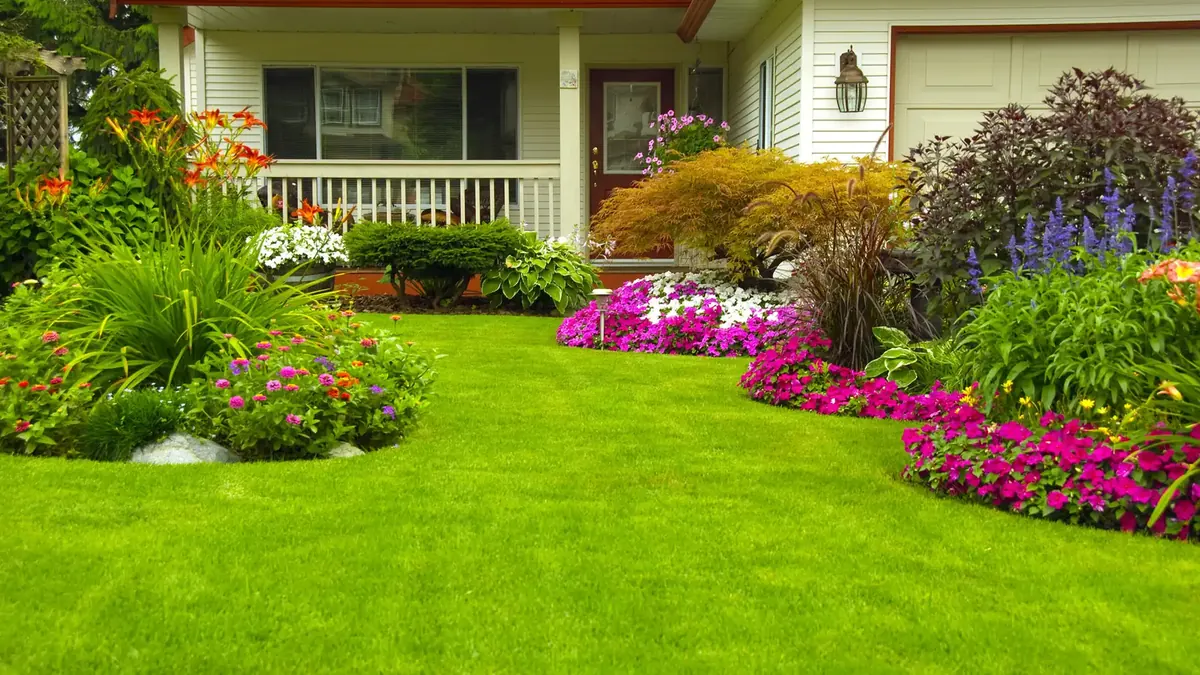
Fall is the busiest season for a cool-season lawn, even though the growth above ground is slowing. Roots are actively building, and the lawn is storing energy for winter. The steps you take between September and the first hard freeze shape how quickly it greens up in spring.
1. Aerate compacted lawns
Core aeration pulls small plugs of soil out of the lawn, opening space for air, water and nutrients to reach roots. Fall is a strong time to aerate cool-season grass, because the lawn has weeks of good growing weather to recover. Lawns with heavy foot traffic, clay soil or a history of puddling benefit most. Leave the plugs on the lawn; they break down on their own.
2. Overseed thin areas
Overseeding right after aeration is a classic pairing. The holes give seed a protected spot with good soil contact. Late summer through early fall is the best window for seeding cool-season grass in New Jersey, and we explain why in when to seed a lawn in New Jersey. Seed that goes down too late may not establish before cold weather arrives. Our seeding service includes prep and seed selection for sun and shade.
3. Make the last fertilizer application on time
Fall feeding supports root growth and spring green-up, but New Jersey law sets a firm cutoff. Homeowners cannot apply fertilizer containing nitrogen or phosphorus to turf from November 15 through March 1. For certified professionals, the blackout runs from December 1 through March 1. The full rules are in our guide to the New Jersey fertilizer law.
4. Stay on top of leaves
A thick layer of leaves left on a lawn blocks sunlight and traps moisture. Over a winter, that can smother grass and encourage disease, leaving bare or matted patches in spring. You do not have to remove every leaf the moment it falls, but you should not let a heavy layer sit.
- Light layers can often be mulched with a mower, chopping leaves into small pieces that settle into the turf.
- Heavy layers should be raked or blown off and removed or composted.
- Do not leave leaves on new seed. Young grass is especially vulnerable to being smothered.
Check your town's rules for leaf collection, since methods and dates vary.
5. Keep mowing until growth stops
Keep mowing as long as the grass is growing. For the last few cuts, many turf guides suggest bringing the height down slightly from summer levels, without scalping. Grass that goes into winter very long can mat under snow, while grass cut too short loses its ability to store energy.
6. Clean up beds
Pull weeds before they drop seed for next year, remove dead annuals and cut back diseased plant material. Many gardeners leave healthy perennial seed heads standing for birds and winter interest. A fresh layer of mulch helps protect roots through freeze and thaw cycles. Keep it two to three inches deep and away from stems and trunks.
7. Prune lightly, if at all
Fall is fine for removing dead, broken or crossing branches. It is not the time for heavy shaping of spring-flowering shrubs such as azaleas, lilacs or forsythia, which already carry next year's flower buds. Our guide to when to trim shrubs explains which shrubs to cut and when.
8. Protect new plantings
Trees and shrubs planted this year have small root systems. Water them deeply if the fall is dry, right up until the ground freezes. Evergreens in particular can lose moisture through their needles and leaves during winter.
9. Think about salt
De-icing salt can damage grass and plants along driveways and walks. Where possible, avoid piling salty snow on lawns and beds, and consider plants that tolerate salt for areas right along the road.
10. Put away the equipment properly
Drain or stabilize fuel according to the mower manufacturer's instructions, clean the deck, and disconnect hoses and irrigation that could freeze.
Get your yard ready before the cold
From aeration and overseeding to bed cleanup and mulch, our team can handle the fall checklist for you. Book an appointment or call (609) 575-6213, Monday through Friday, 9 AM to 5 PM.
Next steps
Ready for a lawn you are proud of?
Book a free consultation and a member of Team Herrera will walk your property with you, talk through what it needs and explain your options. No pressure, no cost.